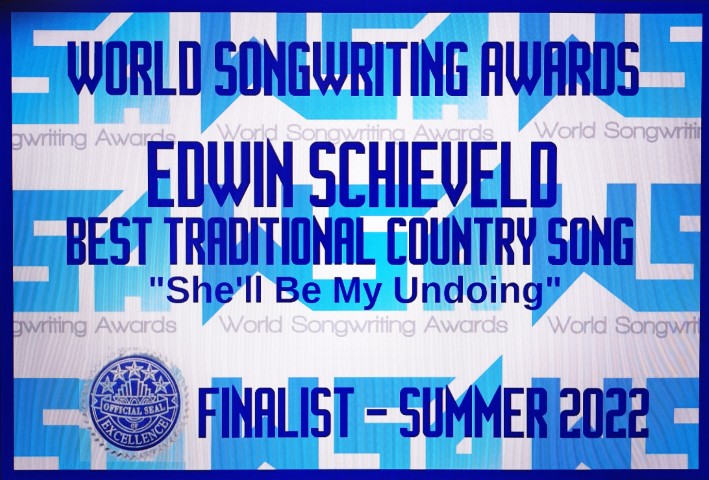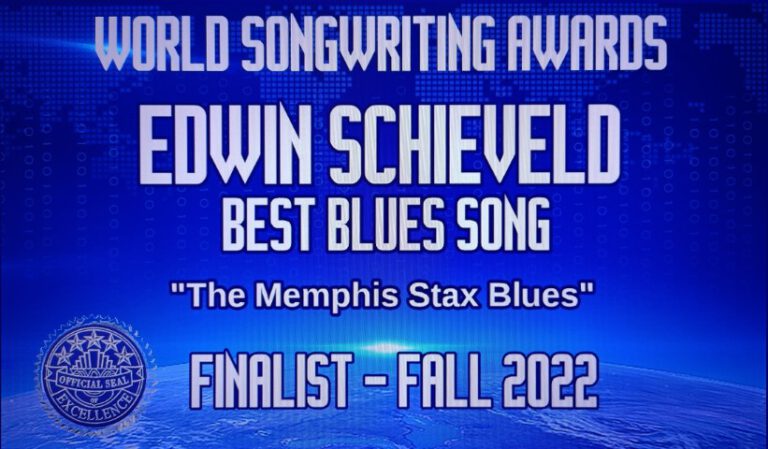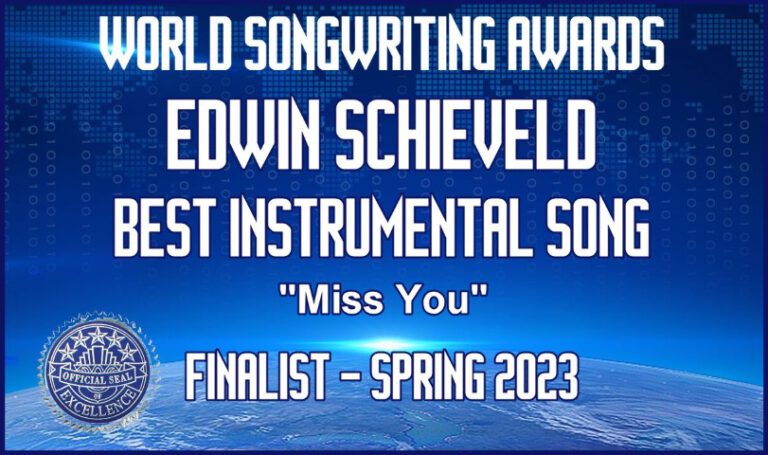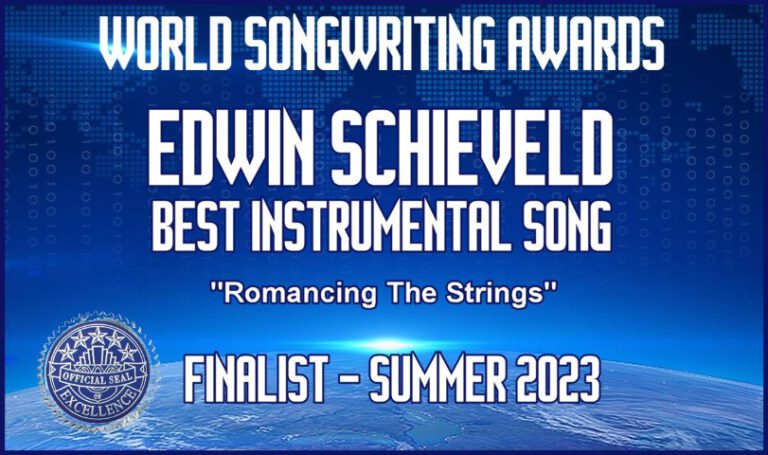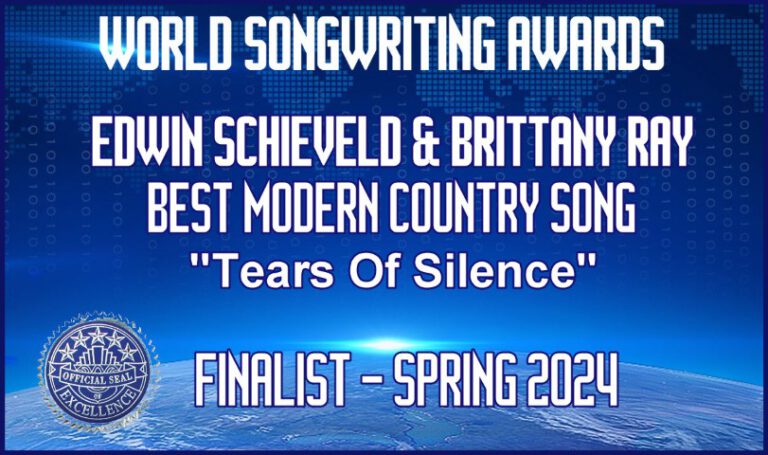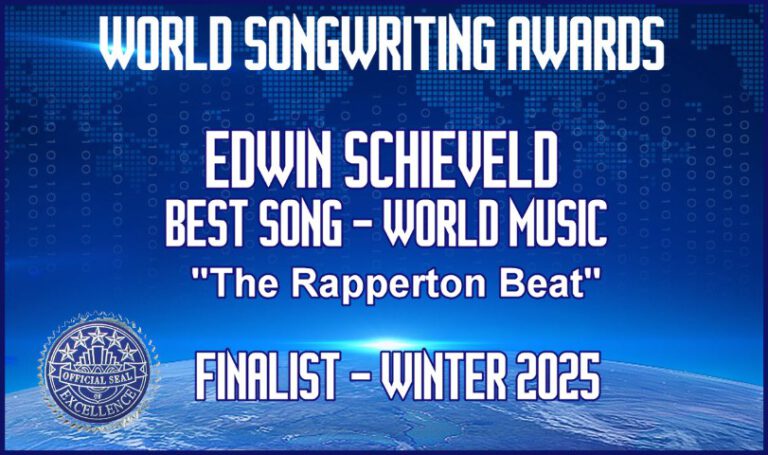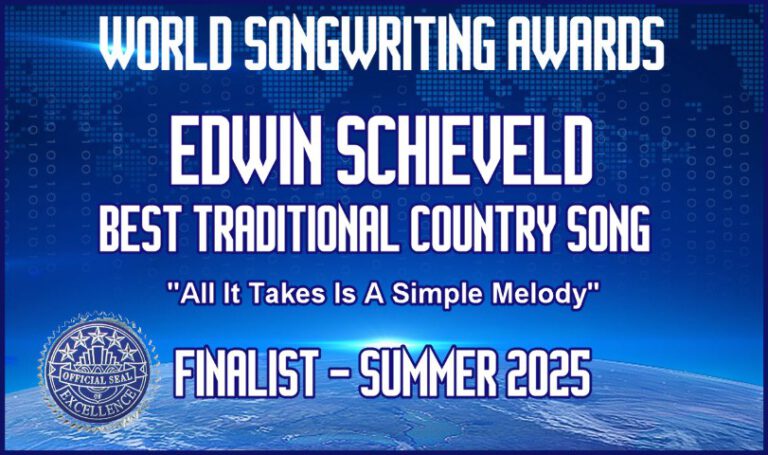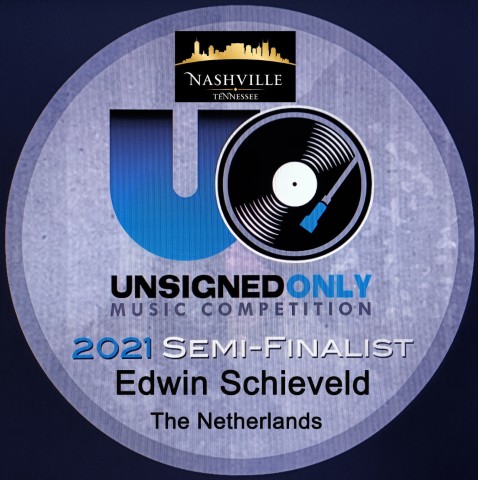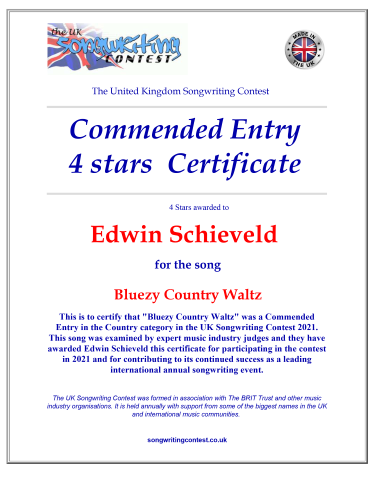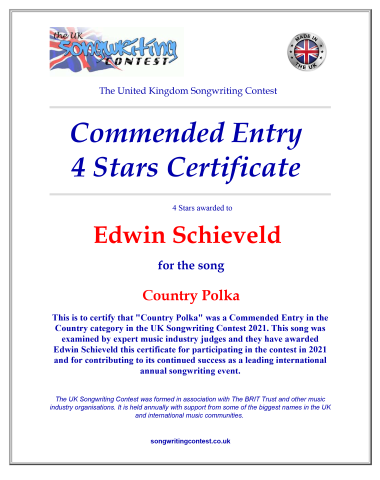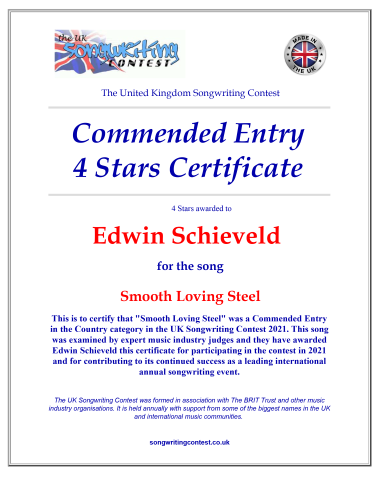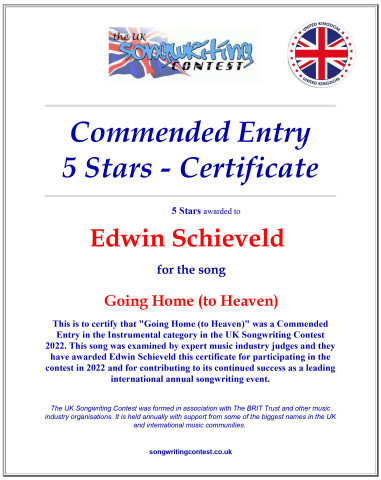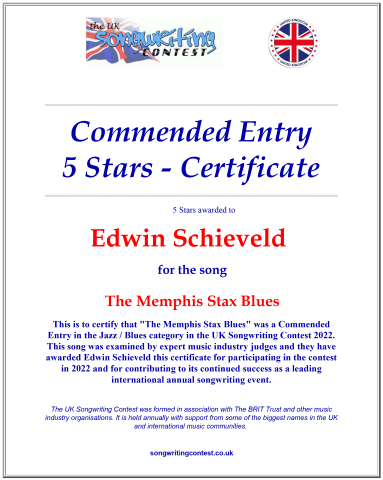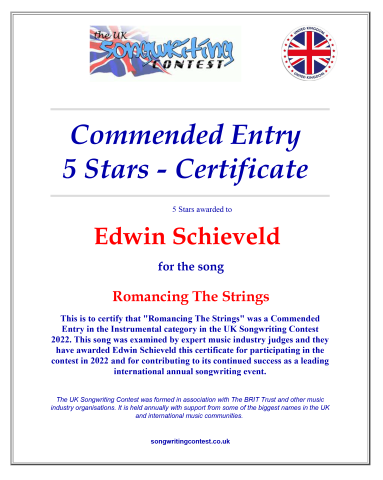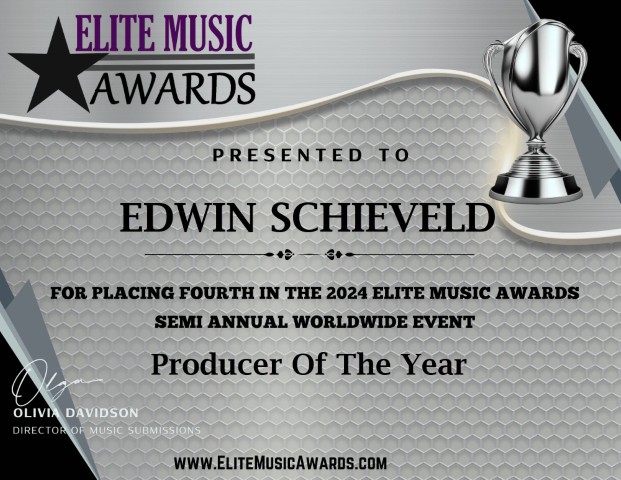
Winning an Award is not my goal, but the recognition that you really can make good music is just more than Satisfying.

Recognition and appreciation for music is the affirmation and important positive feedback a musician, producer, or composer receives for their creative work and the effort they put into it. It's the acknowledgement of the artistic value and the impact the music has on listeners, which is essential for an artist's motivation and development.

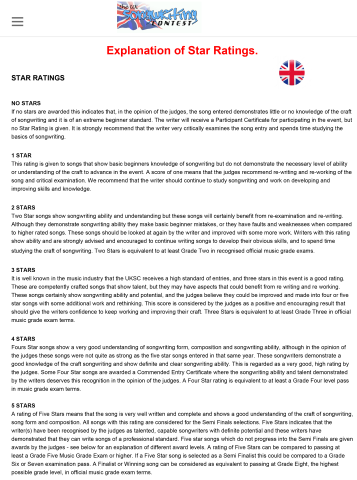
The appreciation, and certainly the evaluation, of my music comes from notable/well-known people in TV/radio and the music industry.

Here's a breakdown of what this entails:
Recognition (Being seen)
Attention and visibility: Recognition means your music is noticed and people see what you create.
Attribution: Receiving credit for your work (e.g., in liner notes, on Spotify, or through mention by an artist who uses your beat).
Professional recognition: Receiving awards, nominations (such as Edison Pop), or rave reviews.
Validation of creativity: The realization from others that your music is "well-made," even if it's not directly to someone's personal taste.
Appreciation (Positive Feedback)
Emotional reactions: Listeners who indicate they are touched by your music.
Positive feedback: Compliments about specific elements such as rhythm, melody, or atmosphere.
Active involvement: Replaying songs, adding them to playlists, or sharing the music.


Why is this important?
Motivation: Recognition is motivating and prevents you from quitting making music.
Cultural impact: It indicates that your music contributes to the cultural environment.
Identity: It helps shape your identity as an artist, especially in pop culture.

There are several international music competitions specifically aimed at independent (unsigned) artists, emerging talent, and songwriters who haven't yet made it to the mainstream. These competitions often offer opportunities for prize money, exposure, and connections within the music industry.

Here are the most important international music competitions for the "regular" independent artist:
Unsigned Only Music Awards: One of the most well-known international competitions, it's entirely aimed at independent artists who don't have a major label contract. It's an online competition with categories across all genres, with the grand prize being $20,000 in cash and promotion.

International Songwriting Competition (ISC): This is one of the largest and most prestigious songwriting competitions in the world, open to both amateurs and professionals. It attracts thousands of entries and offers the chance to be heard by well-known artists and record executives.

InterContinental Music Awards (ICMA): These awards are designed to give independent musicians global recognition, with a focus on cultural diversity and emerging talent. Participants can receive coaching and feedback from Hollywood music experts.

International Acoustic Music Awards (IAMA): Focused on independent artists in the acoustic, folk, Americana, and roots genres. Winners receive radio promotion in the US and Canada.

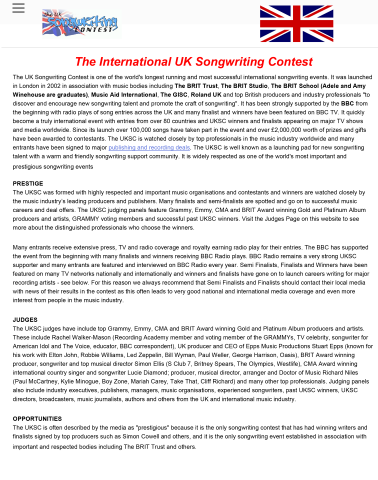
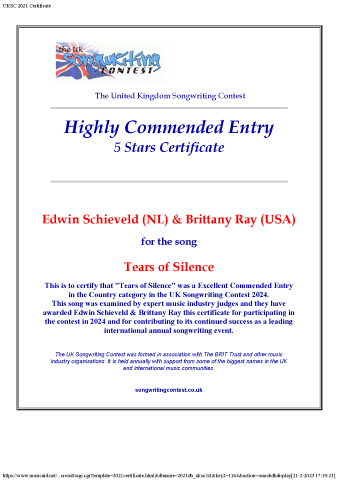
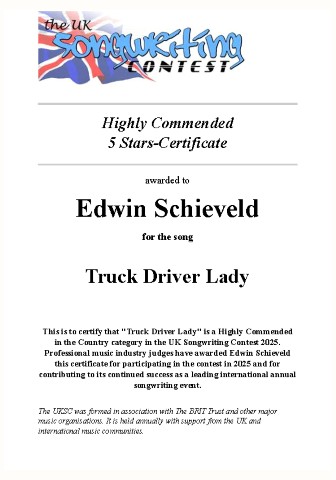
The UK Songwriting Contest (UKSC) is a major international annual songwriting competition founded in 2002 in partnership with the BRIT Trust. Open to songwriters, composers, and bands worldwide, the competition offers categories for all music genres, as well as entries with only lyrics and instrumentals.

John Lennon Songwriting Contest: An international competition that offers not only prize money but also opportunities for contracts and studio equipment.

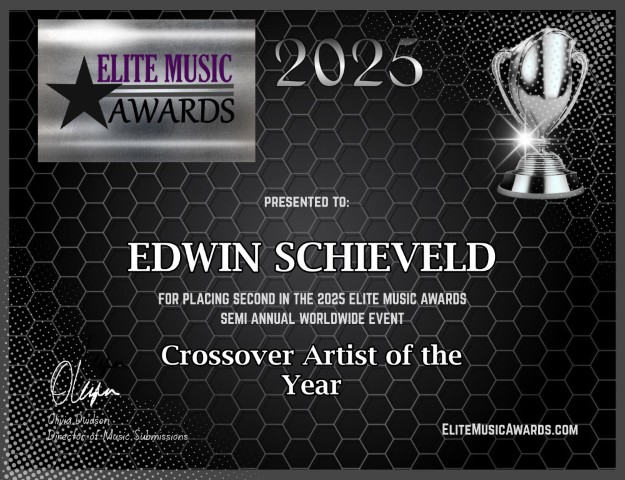
The Elite Music Awards - New York (EMA) is a global competition and recognition program, often organized with partners like New Global Move Ltd, celebrating independent artists, songwriters, and composers. It focuses on recognizing talent through semi-annual awards, including categories like Lyricist of the Year, Radio Station of the Year, and various music genres.

Grand Prize Virtuoso International Music Competition: Although classically oriented, this online competition is open to all nationalities and ages (string, piano, vocal, etc.) and offers the opportunity to win and perform at Carnegie Hall.

World Music Network Battle of the Bands: Specifically for independent world music artists to submit and promote their tracks.

The World Songwriting Awards (WSA) is an international competition designed to recognize independent musicians and songwriters, offering quarterly awards across various genres. It helps artists gain credibility, connect with industry professionals, and potentially get signed by labels. Entries are evaluated based on originality, melody, and production.

Why participate? Get feedback from industry professionals.

Why recognition :


Winning an award is a fleeting, external validation, while the recognition that you have truly created good music is an intrinsic, lasting fulfillment that speaks to your growth, artistry, and connection with others. This sentiment highlights a shift from pursuing external praise (trophies) to valuing the personal satisfaction of mastering a craft.

Here is why that recognition is more than satisfying:
Internal Validation Over External Judgment: True satisfaction comes from knowing you have produced quality work, rather than relying on a panel of judges to validate your artistic worth. Awards represent the opinions of others, which can be fickle or subjective, but personal, artistic satisfaction is permanent.

Proof of Growth and Artistry: The recognition that you can make good music signifies that you are developing your skills and achieving artistic maturity. It is about proving to yourself—and to your peers—that your dedication and hard work have yielded high-quality results.

The Power of Peer and Fan Connection: True recognition comes from fans who genuinely connect with your music and peers who respect your work, which is often more meaningful than a formal industry award. This connection confirms that your art is making a real impact.

Focus on the Journey, Not Just the Destination: Aiming for awards can sometimes lead to artistic burnout or pressure to conform. Instead, focusing on the quality of the music ensures that you are making art for the right reasons, allowing you to enjoy the creative process.

Long-Term Sustainability: Relying on awards can cause morale issues if you do not win, while focusing on the recognition of creating good music allows you to maintain a steady, rewarding career regardless of industry accolades.

Psychological Assessment of Jury Members.

The fact that one and the same recording (mp3/wav) is judged differently by expert jury members at different competitions is a well-known phenomenon in the music world. After all, music evaluation is never 100% objective.

Here are the main reasons, based on judging practices and music sociology:
Different Judging Criteria: Every competition uses different rules. One jury focuses on technical perfection (timbre, rhythm), while another jury places more value on originality, emotion, or general impression.

Subjectivity of the Expert: Even expert jury members have personal preferences. Musical taste and personal experiences play a role in how a song is perceived.

Context and Comparison: Jury members often judge a song in relation to the other participants of that specific day. If your song is played among ten quiet songs, it sounds different than among ten loud songs.

Unconscious Influence (Visual vs. Audio): Research shows that jury members are often unconsciously influenced by what they see (appearance, stage presence) rather than just what they hear. If only audio is judged (blind) in one competition and live in another, the assessment can differ enormously.

Auditory fatigue: Judges often listen to dozens of entries in a row. Concentration and the "freshness" of hearing at the beginning of the day differ from those at the end.

Physical playback conditions: The quality of the speakers, the acoustics of the venue, and the volume at which the track is played have a direct influence on how your WAV/MP3 production comes across.

In short: a different jury, a different day, different competition, and different environmental factors lead to a different outcome.

It is a well-known phenomenon that an identical music file (MP3/WAV) is judged differently by expert judges in different competitions. This is because music judging, despite the expertise of the jury, always contains a subjective element that is influenced by many factors. The main reasons for these differences are:

Different judging criteria and priorities: One competition focuses more on technical perfection, while another places more value on originality, emotional conveyance, or artistic interpretation.

Personal taste and experience: Jury members are people with their own musical backgrounds, preferences, and experiences, which unconsciously influences their judgment.

Context and comparison: A song is judged in the context of the other participants. In a strong field, an excellent song may finish lower than in a weaker field.

Visual influence (in live performances): Research shows that visual factors (presence, passion, stage presence) often carry more weight than sound alone, even among professional jury members.

Psychological factors: Factors such as the time of day, the order of performances (more recent performances often stick better), and the jury member's overall mood play a role.

Interpretation of the "Artistic Impression": What one expert perceives as "bold and innovative," another expert may judge as "disturbing or inappropriate."


In short, the assessment is a combination of technical evaluation (objective) and artistic experience (subjective), where the weighting of these two factors varies per jury and competition.