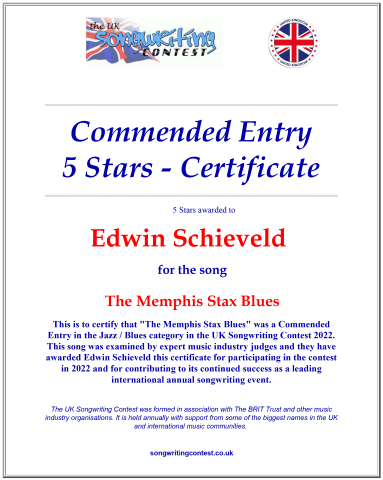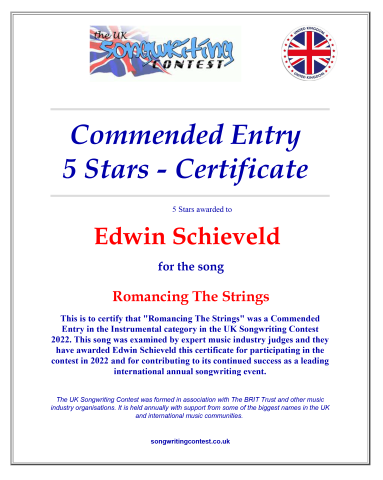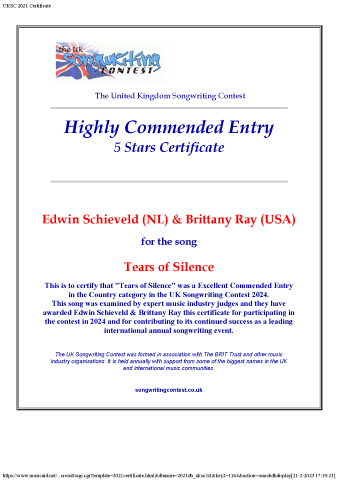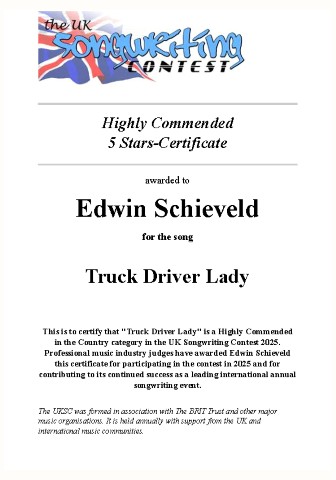
Recognition & Awards & Buy MP3
Winning an Award is not my goal, but the recognition that you really can make good music is just more than Satisfying.
Recognition and appreciation for music is the affirmation and important positive feedback a musician, producer, or composer receives for their creative work and the effort they put into it. It's the acknowledgement of the artistic value and the impact the music has on listeners, which is essential for an artist's motivation and development.
The appreciation, and certainly the evaluation, of my music comes from notable/well-known people in TV/radio and the music industry.
Here's a breakdown of what this entails:
Recognition (Being seen)
Attention and visibility: Recognition means your music is noticed and people see what you create.
Attribution: Receiving credit for your work (e.g., in liner notes, on Spotify, or through mention by an artist who uses your beat).
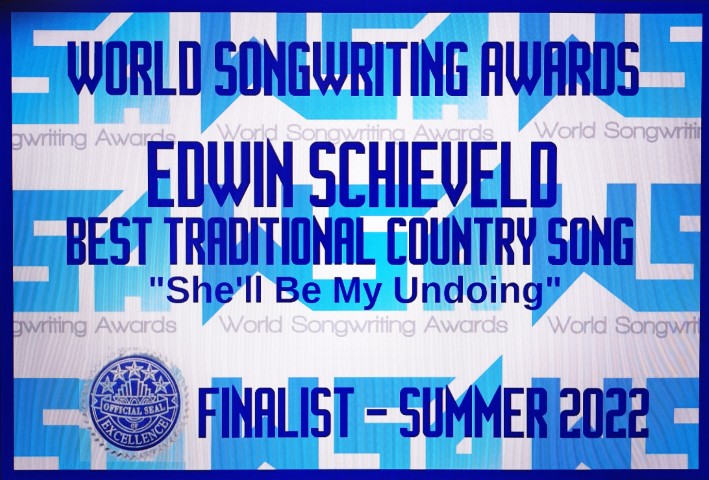
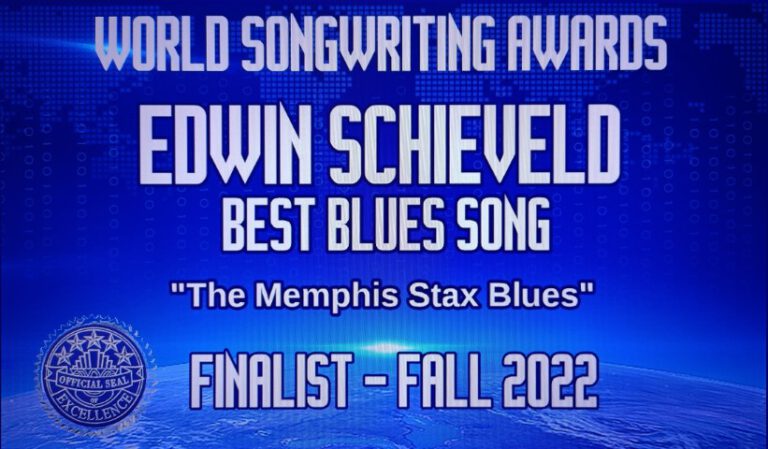
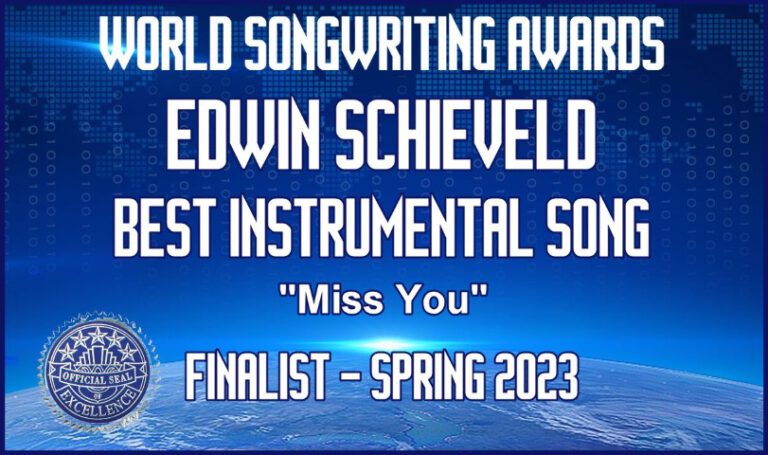
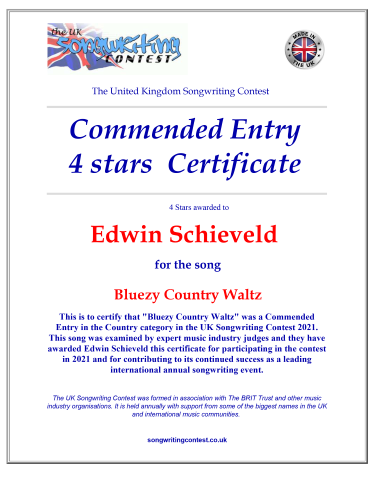
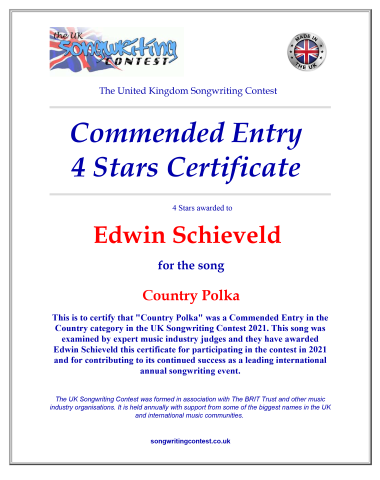
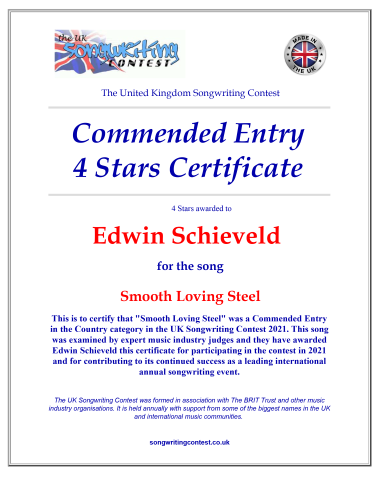
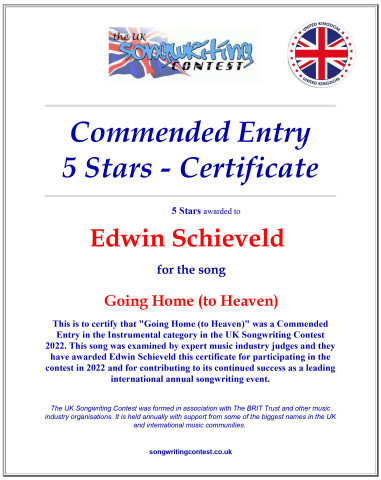
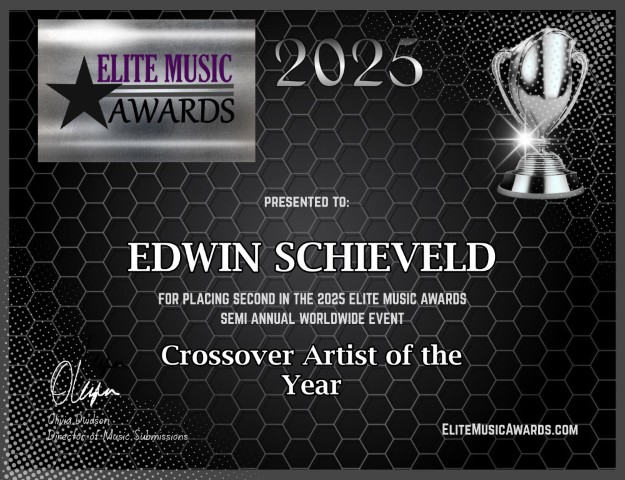
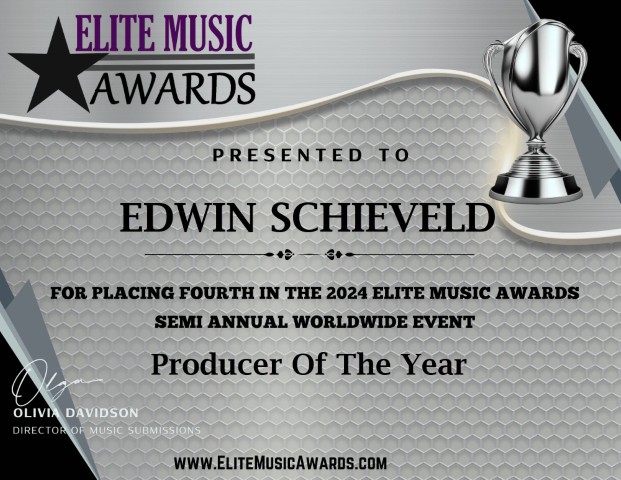
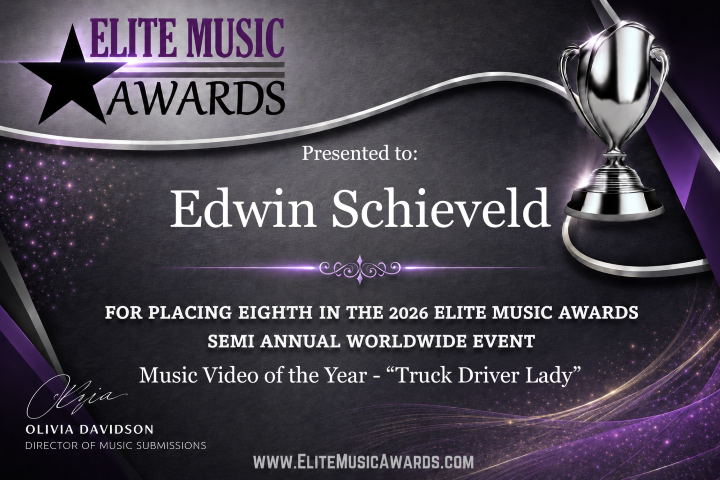
Professional recognition: Receiving awards, nominations (such as Edison Pop), or rave reviews.
Validation of creativity: The realization from others that your music is "well-made," even if it's not directly to someone's personal taste.
Appreciation (Positive Feedback)
Emotional reactions: Listeners who indicate they are touched by your music.
Positive feedback: Compliments about specific elements such as rhythm, melody, or atmosphere.
Active involvement: Replaying songs, adding them to playlists, or sharing the music.
Why is this important?
Motivation: Recognition is motivating and prevents you from quitting making music.
Cultural impact: It indicates that your music contributes to the cultural environment.
Identity: It helps shape your identity as an artist, especially in pop culture.
There are several international music competitions specifically aimed at independent (unsigned) artists, emerging talent, and songwriters who haven't yet made it to the mainstream. These competitions often offer opportunities for prize money, exposure, and connections within the music industry.
Here are the most important international music competitions for the "regular" independent artist:
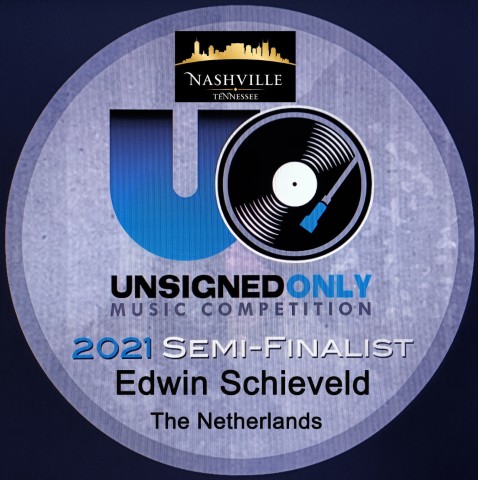
Unsigned Only Music Awards.
International Songwriting Competition (ISC).
InterContinental Music Awards (ICMA).
International Acoustic Music Awards (IAMA).
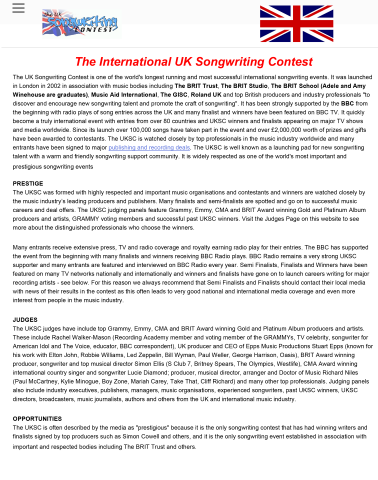
The UK Songwriting Contest (UKSC).
John Lennon Songwriting Contest.
The Elite Music Awards - New York (EMA).
Grand Prize Virtuoso International Music Competition.
World Music Network Battle of the Bands.
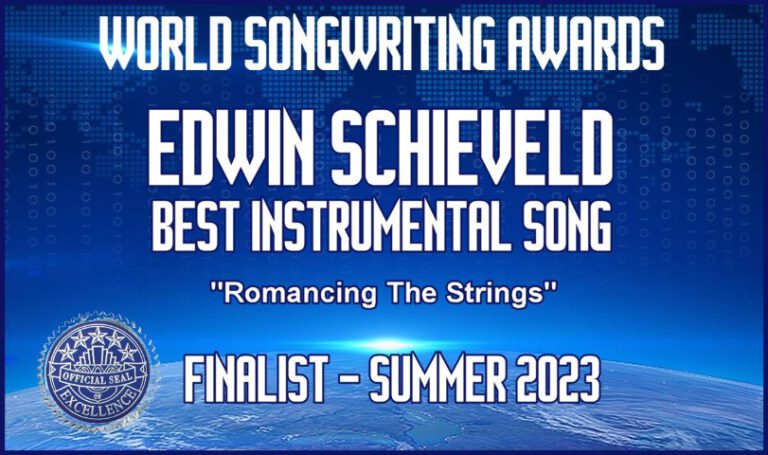
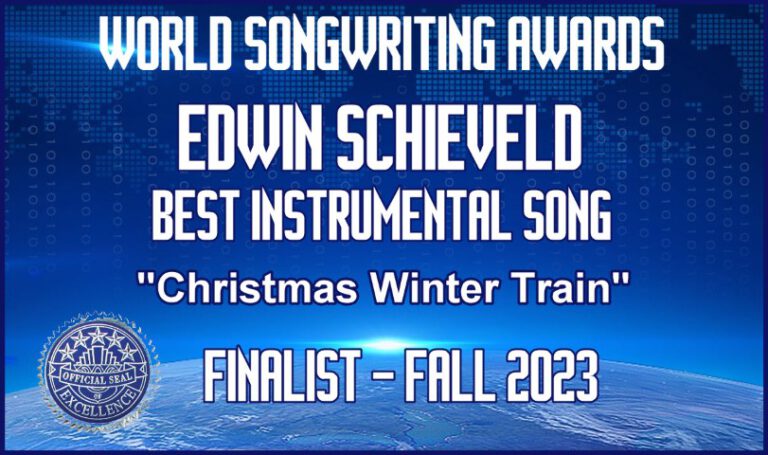
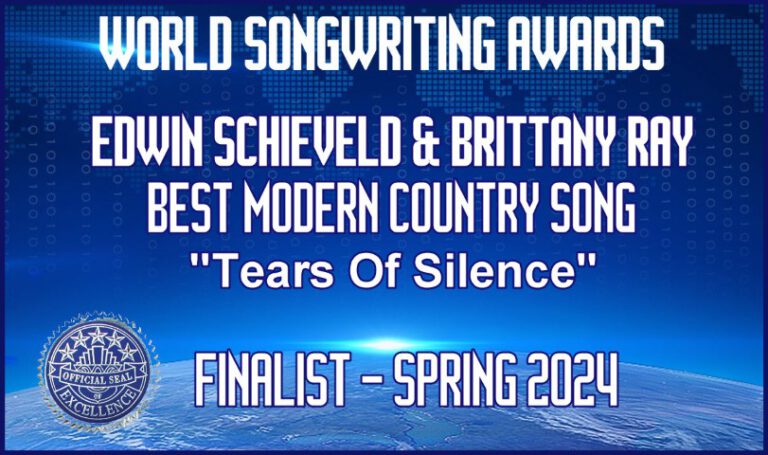
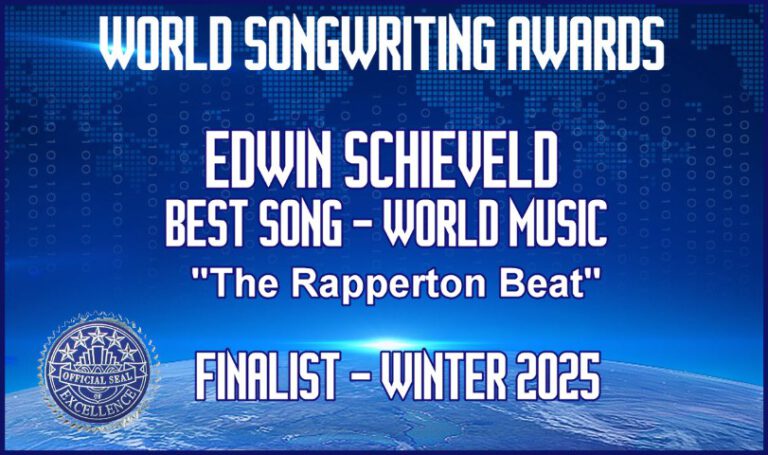
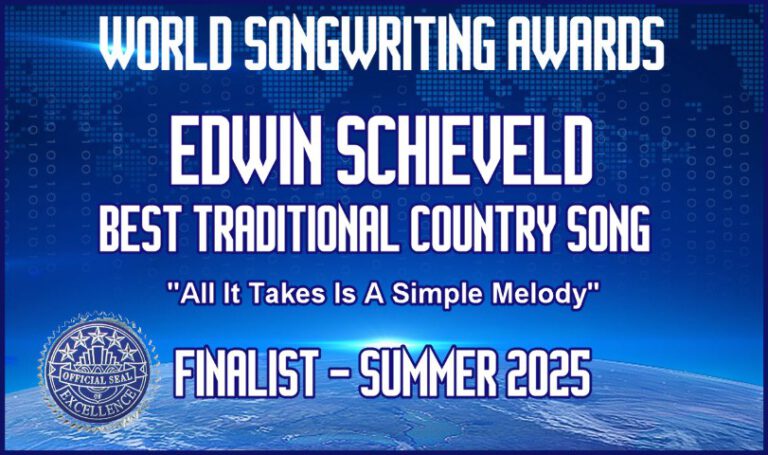
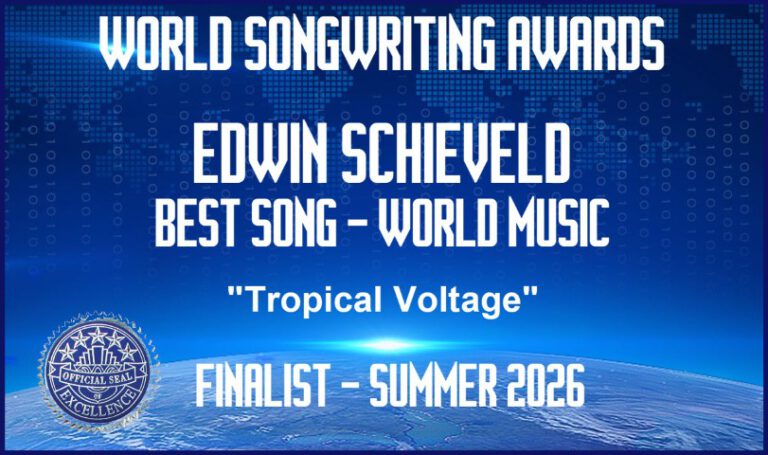
The World Songwriting Awards (WSA).
Why participate?
Get feedback from industry professionals.
The World Songwriting Awards is an organization designed to give serious songwriters the recognition they deserve. If you win our honors, our credibility may makes it easier for you to lock in bookings, get discovered by A & R Executives, and in turn, be signed by labels.
The World Songwriting Awards is a well-known international music competition which celebrates and recognizes independent musicians. WSA is widely recognized by industry insiders giving legitimacy to highly talented songwriters and artists.
If you receive WSA honors, you will know that your music stands out internationally across cultures. You are being judged in an international competition, not just an American competition.
World Songwriting Awards participants are from the US and over 129 countries worldwide